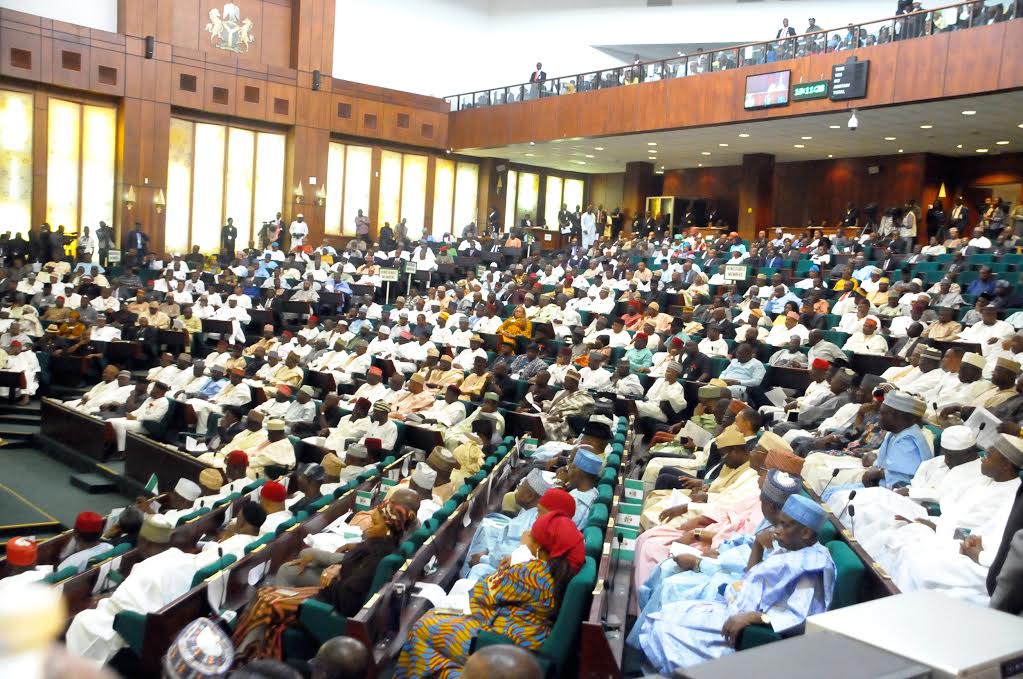
The political landscape of Nigeria’s 2027 National Assembly elections has taken a dramatic turn, with about 75 members of the current Senate and House of Representatives set to miss the next National Assembly based on the final list of candidates released ahead of the elections.
The figure comprises 52 senators and 23 members of the House of Representatives, whose names are absent from the current list of candidates for the January 2027 National Assembly elections.
The affected lawmakers are expected to leave the National Assembly at the expiration of the 10th Assembly’s tenure in June 2027, unless subsequent legal or electoral developments alter the current arrangement.
Governors move into the Senate race
One of the most notable features of the 2027 contest is the growing presence of serving governors seeking Senate seats as their current tenures approach their constitutional limits.
At least seven serving governors secured APC senatorial tickets during the party’s primaries. They include Nasarawa Governor Abdullahi Sule, Gombe Governor Inuwa Yahaya, Imo Governor Hope Uzodimma, Ogun Governor Dapo Abiodun, Adamawa Governor Umaru Fintiri, Kwara Governor AbdulRahman AbdulRazaq and Yobe Governor Mai Mala Buni.
Their emergence has displaced or disrupted the return ambitions of some incumbent senators.
In Ogun, for example, Governor Dapo Abiodun emerged as the APC candidate for Ogun East, while former governor and serving Senator Gbenga Daniel will not return to the Senate under the current arrangement.
Senator Solomon Adeola is also not returning to the Senate after securing the APC governorship ticket in Ogun.
A similar development occurred in Imo, where Governor Hope Uzodimma secured the APC ticket for Imo West, ending Senator Osita Izunaso’s bid to return to the chamber under the present arrangement.
In Yobe, Governor Mai Mala Buni emerged as the APC senatorial candidate for Yobe East after Senator Musa Mustapha stepped aside.
Former governors also make a comeback bid
The movement is not limited to sitting governors.
At least 12 former governors secured APC senatorial tickets, including Senate President Godswill Akpabio, Orji Uzor Kalu, Adams Oshiomhole, Ifeanyi Okowa, Aliyu Wamakko, Gabriel Suswam, Ramalan Yero, Yahaya Bello, Adamu Aliero, Simon Lalong, Ibrahim Shekarau and Sani Bello.
The influx of former governors further intensifies competition for National Assembly seats, particularly in states where incumbent lawmakers are seeking fresh terms.
Why are so many lawmakers disappearing?
The absence of the 75 lawmakers from the current candidate list does not mean they all lost elections.
The reasons vary.
Some lost their party primaries, while others were affected by appeals, substitutions, withdrawals, political agreements or decisions to pursue different political offices.
Some also voluntarily stepped aside as part of political arrangements within their parties.
Former Sokoto Governor and Senator Aminu Waziri Tambuwal, for instance, stepped down from his senatorial contest to make way for a younger aspirant under a power-sharing arrangement within the African Democratic Congress.
House of Representatives also affected
The reshuffling is equally visible in the Green Chamber.
Among the prominent House members whose return is currently in doubt are Majority Leader Julius Ihonvbere of Edo, former Deputy Majority Leader Peter Akpatason, Deputy Chief Whip Isiaka Adegboyega and Delta lawmaker Nicholas Mutu.
Some lost their party primaries, while others were affected by the changing political arrangements ahead of 2027.
A changing National Assembly
The developments point to a significant turnover in Nigeria’s next National Assembly.
The 2027 contest is being shaped not only by the usual competition among legislators but also by governors approaching the end of their terms, former governors seeking political comebacks and broader negotiations within political parties.
The final candidate lists, however, remain subject to the electoral and legal processes provided by law. INEC has scheduled the presidential and National Assembly elections for February 20, 2027, while governorship and State Assembly elections are scheduled for March 6, 2027.
For the 10th National Assembly, the immediate consequence is already clear: a substantial number of familiar faces will not be returning under the current candidate configuration, while a new crop of political heavyweights — including serving and former governors — are positioning themselves for seats in the Senate.
The 2027 election will therefore produce not only a contest for political offices, but potentially one of the most significant turnovers in Nigeria’s federal legislature in recent years.