Electricity distribution companies (DisCos) in Nigeria have recorded a significant increase in revenue over the past eight years, but the growth has done little to silence concerns about the quality and reliability of electricity supply across the country.
Data from the Nigerian Electricity Regulatory Commission (NERC), as reported by Financial Vanguard on Monday, show that the companies’ revenue increased from ₦218.16 billion in the first half of 2018 to approximately ₦1.2 trillion in the corresponding period of 2026.
The increase represents a rise of about 450 per cent over the period.
However, electricity supply grew by only 4.8 per cent, from 16,861 gigawatt-hours (GWh) in the first half of 2018 to 17,668 GWh in the first half of 2026, according to the report.
The contrasting figures have renewed questions about whether the financial growth recorded by electricity distribution companies is translating into meaningful improvements in service delivery for Nigerian households and businesses.
Revenue Growth and Persistent Supply Challenges
Nigeria’s electricity sector has struggled with inadequate generation, transmission constraints, distribution challenges and mounting financial obligations.
Although the privatisation of the distribution and generation segments was intended to improve efficiency and attract investment, consumers continue to complain about unreliable electricity, estimated billing disputes, rising tariffs and the cost of alternative power sources.
The latest figures highlight the disparity between the revenue collected by distribution companies and the relatively modest improvement in electricity supply over the period under review.
The report also indicates that average available electricity generation capacity declined by approximately 41 per cent, from 7,565.5 megawatts in the first half of 2018 to 4,456 megawatts in the corresponding period of 2026.
The figures raise questions about the effectiveness of interventions introduced since the sector’s privatisation and the extent to which investment and regulatory reforms have improved the overall performance of the electricity value chain.
₦700 Billion in Uncollected Bills
The financial challenges confronting the sector extend beyond the quality of electricity supply.
Data cited in the report indicate that distribution companies collected approximately ₦1.2 trillion from customers in the first half of 2026, despite receiving electricity valued at about ₦1.9 trillion from the market.
This left an estimated ₦700.53 billion in billed revenue uncollected during the six-month period.
The collection gap raises concerns about the financial sustainability of the electricity market, including the ability of distribution companies to meet their obligations to other participants in the sector.
However, the figures also point to the need for a closer examination of billing practices, metering gaps, collection efficiency, commercial losses and consumers’ willingness or ability to pay for electricity.
Without improvements across these areas, the sector could continue to experience financial pressure despite rising nominal revenue.
What Does This Mean for Electricity Consumers?
For millions of Nigerians, electricity remains a major household and business expense.
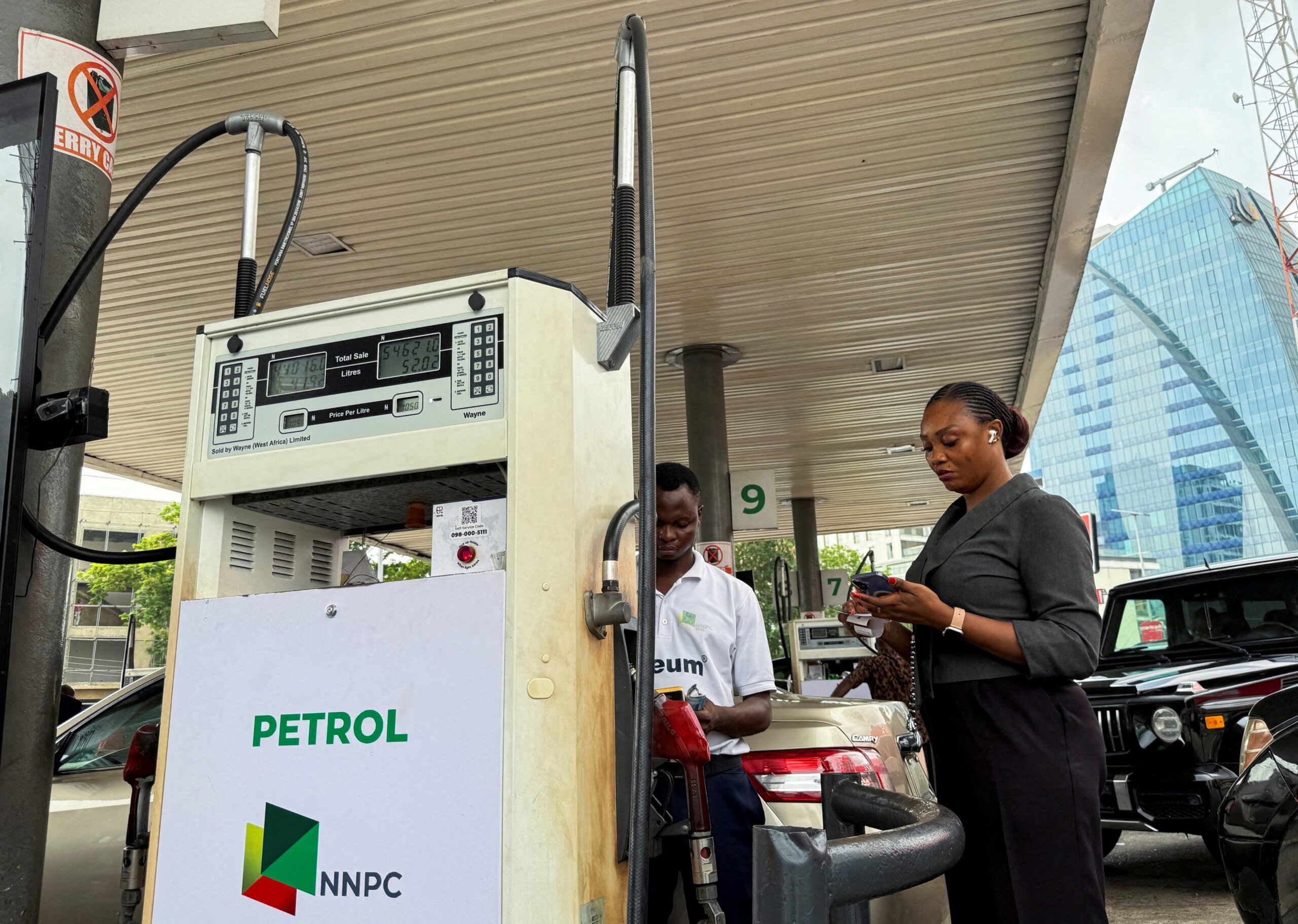
Households must contend with electricity bills while often paying additional costs for petrol, diesel or alternative energy sources when public supply is inadequate.
Businesses, particularly small and medium-sized enterprises, face similar challenges. Unreliable electricity can increase operating expenses, reduce productivity and make Nigerian businesses less competitive.
The implications extend to manufacturing, healthcare, education and other essential services that depend on stable electricity.
Consequently, the performance of distribution companies cannot be assessed solely by the amount of money collected from customers. Service reliability, accurate billing, metering coverage, complaint resolution and investment in distribution infrastructure are also important measures of performance.
Thirteen Years After Privatisation
Nigeria’s electricity distribution and generation assets were privatised in 2013 in an effort to improve efficiency, expand investment and reduce the government’s direct financial burden.
More than a decade later, the sector continues to face questions about whether the anticipated benefits have been delivered to consumers.
The latest revenue and supply figures are likely to intensify calls for greater accountability from electricity distribution companies, alongside stronger oversight by the relevant regulatory authorities.
Nevertheless, distribution companies do not control every stage of electricity delivery. Generation shortages and transmission constraints can also affect the volume of electricity reaching consumers.
A fair assessment must therefore examine the responsibilities of generation companies, the Transmission Company of Nigeria, distribution companies, the Federal Government and the electricity regulator.
It must also distinguish between the amount of electricity generated, the quantity transmitted, the volume received by distribution companies and the electricity ultimately delivered to customers.
The Way Forward
The figures underscore the need for measurable improvements across Nigeria’s electricity value chain.
Distribution companies should be assessed against clear performance targets covering metering, billing accuracy, collection efficiency, infrastructure investment and the quality of service provided to customers.
Regulators should also publish accessible performance comparisons showing how individual distribution companies perform against their obligations.
At the same time, the government and other industry stakeholders must address persistent generation and transmission constraints, market debts and other structural problems affecting the sector.
Consumers, for their part, deserve transparent billing, reliable complaint-resolution mechanisms and clear information about the service standards applicable to their electricity supply categories.
Ultimately, higher revenue should support a more financially sustainable electricity market. But financial sustainability must go hand in hand with improved service delivery.
For Nigerian consumers who continue to face unreliable electricity and rising energy costs, the central question remains whether the financial gains recorded by distribution companies will translate into more dependable power supply.