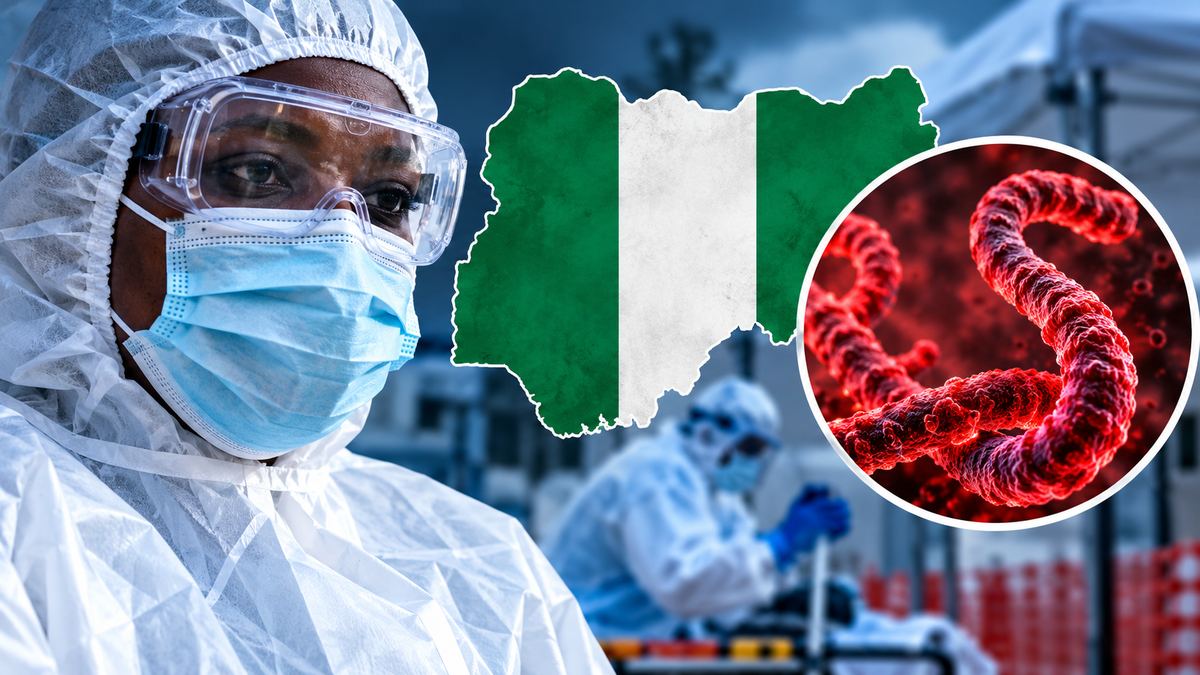
Nigeria has confirmed a case of Ebola disease in Abuja, more than a decade after the country successfully contained its first recorded outbreak in 2014, prompting renewed public health concerns as authorities begin contact tracing.
The Federal Government confirmed the case on Tuesday, October 20, 2026, following laboratory testing of a woman who recently travelled to Nigeria from Uganda.
The Coordinating Minister of Health and Social Welfare, Prof. Muhammad Ali Pate, disclosed the development, stating that the patient had been isolated and was receiving medical care.
According to the minister, health authorities have identified 44 contacts and commenced tracing efforts to determine whether other people may have been exposed to the virus.
The Federal Government is working with the Nigeria Centre for Disease Control and Prevention (NCDC), the Federal Capital Territory health authorities and international health partners to contain the infection and prevent further transmission.
Patient Developed Symptoms Before Diagnosis
Reports indicate that the patient began experiencing symptoms on October 7 and was admitted to a private hospital in Abuja on October 11, before subsequent laboratory tests confirmed the infection.
The woman is currently in isolation and receiving medical attention, while public health officials work to identify and monitor people who may have come into contact with her.
The 44 contacts identified so far include healthcare workers, patients, caregivers and travel-related contacts.
The authorities have urged healthcare facilities across the country to remain vigilant, promptly identify suspected cases and observe strict infection prevention and control measures.
Nigeria’s Experience With Ebola in 2014
The latest development brings back memories of Nigeria’s response to the 2014 Ebola outbreak, when the virus entered the country through Patrick Sawyer, a Liberian-American diplomat who arrived in Lagos in July of that year.
Sawyer was diagnosed with Ebola after becoming ill in Nigeria and subsequently died.
His arrival triggered a public health emergency, as medical personnel and other individuals who had contact with him were identified and monitored.
Nigeria recorded 20 confirmed cases during the 2014 outbreak, including eight deaths, before successfully containing the spread through contact tracing, isolation, public health surveillance and coordinated intervention.
The country’s response was widely recognised as an example of how rapid detection and effective contact tracing can help prevent a larger outbreak in a densely populated urban environment.
However, health experts have consistently emphasised the need to maintain surveillance and preparedness because infectious diseases can cross international borders through human movement.
Current Outbreak Spreads Across African Countries
The case in Abuja is linked to the ongoing regional Ebola outbreak caused by the Bundibugyo virus, which has affected the Democratic Republic of the Congo (DRC) and Uganda, with imported infections also reported in Kenya.
The World Health Organisation (WHO) has reported a substantial outbreak in the DRC, with thousands of confirmed cases and deaths recorded as of early October 2026.
The outbreak’s spread across national borders has increased concerns about international transmission and the ability of health authorities to identify infected individuals before further exposure occurs.
Nigeria had earlier strengthened its preparedness measures following the confirmation of an imported case in Kenya on October 5.
In a statement issued on October 6, the NCDC warned about the risk of importing the disease into Nigeria and outlined measures to improve early detection, laboratory diagnosis, isolation, contact tracing and infection prevention.
At the time, the agency reported that Nigeria had no confirmed case of the current outbreak. The confirmation in Abuja represents a change in that situation.
Symptoms and Prevention
Ebola is a severe viral disease that can cause fever, fatigue, muscle pain, headache, sore throat, vomiting and diarrhoea. In severe cases, patients may experience bleeding and organ complications.
The virus spreads through direct contact with the blood or other bodily fluids of an infected person who has developed symptoms, as well as contaminated materials.
Nigerians are advised to maintain good hygiene, avoid contact with the bodily fluids of suspected or confirmed cases and seek prompt medical attention if they develop compatible symptoms following a possible exposure.
Anyone who suspects they have been exposed should contact public health authorities for guidance rather than attempting to manage the situation without medical supervision.
Containment Efforts Underway
The immediate priority for Nigerian health authorities is to establish the full extent of possible exposure, monitor identified contacts and prevent secondary transmission.
The identification of 44 contacts marks an important step in the response, although the outcome of the tracing exercise will determine whether additional suspected or confirmed infections emerge.
The Federal Government has also called on healthcare facilities to maintain a high level of suspicion for possible Ebola cases and to report suspected infections promptly.
While Nigeria’s experience in 2014 provides lessons for the current response, authorities will need to sustain surveillance, ensure effective infection control and communicate verified information to the public.
The confirmation of a case does not automatically mean that a widespread outbreak will occur. However, rapid identification of contacts and strict adherence to public health protocols remain essential to containing the infection.