
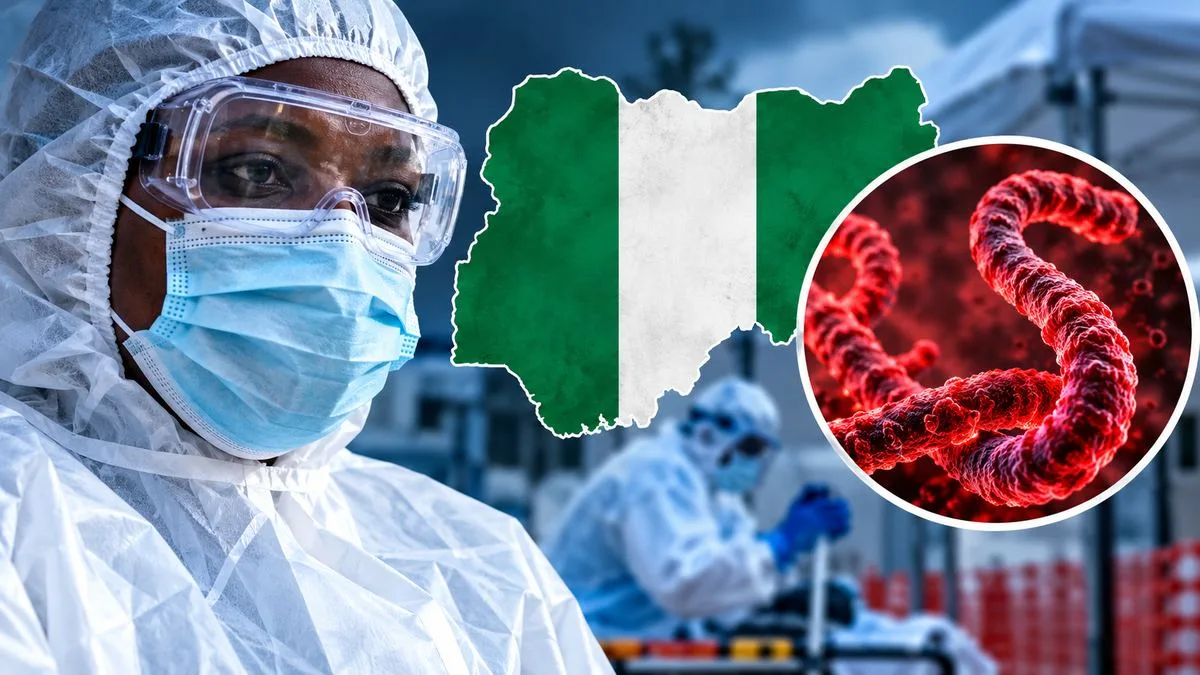
Ebola: Nigeria Reports No New Cases as 28 Contacts Remain Under Monitoring
The Nigeria Centre for Disease Control and Prevention (NCDC) has reported no new Ebola cases in the country, although 28 people linked to the confirmed infection remain under monitoring.
The update comes as health authorities continue efforts to contain the spread of the Bundibugyo virus disease following the confirmation of an imported case in the Federal Capital Territory (FCT) on October 20, 2026.
According to the NCDC, 62 contacts were identified in connection with the confirmed case. Of that number, 34 had completed their mandatory 21-day monitoring period as of November 9, while 28 were still being followed up.
The agency’s Director-General, Dr Jide Idris, said surveillance, contact tracing, investigation of reported alerts and laboratory testing were continuing in collaboration with the Federal Ministry of Health, the FCT Administration, state authorities and development partners.
The confirmed patient, a traveller from Uganda, was evacuated to Switzerland on October 26 after testing positive for the Bundibugyo strain of Ebola.
The NCDC has stressed that being identified as a contact does not mean that an individual has contracted the disease. Each contact is monitored for 21 days to ensure that anyone who develops symptoms is detected promptly.
The agency has urged healthcare workers in public and private facilities to remain vigilant, obtain patients’ travel and exposure histories, observe infection prevention measures and promptly report suspected cases.
It also advised anyone who develops symptoms after a possible exposure to avoid contact with others and call its toll-free line, 6232, for guidance before travelling to a health facility.
Meanwhile, the NCDC’s situation dashboard, updated November 10, showed one confirmed case, no deaths and seven negative cases. It also recorded 28 contacts still under follow-up and 34 who had completed monitoring.
Although no secondary infection has been confirmed, health authorities say surveillance and contact monitoring remain important until all identified contacts complete their follow-up period.